

cheapest way to move long distance on a realistic budget

Start with the full bill, not the sticker

"Cheap" isn't just the lowest quote. It's cash out, time spent, and risk tolerated - added together. Transparency helps you choose without surprises.

  • Truck base rate and one-way mileage.
  • Fuel at real MPG (not the optimistic brochure).
  • Insurance tiers and deductibles.
  • Tolls, permits, parking, and taxes.
  • Boxes, pads, tape, and straps.
  • Hotel and meals if the drive spans days.
  • Overlap rent or storage if dates don't align.

Temper expectations: if you chase the lowest number, expect to trade comfort and speed for savings. That's normal; plan for it calmly.

What people actually choose

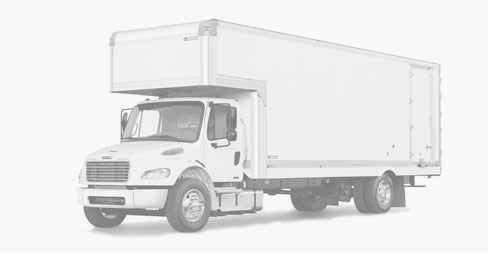
DIY rental truck

Often the lowest cash outlay for 1 - 3 rooms over 300 - 1,200 miles - especially off-peak. You drive, you load, you control the timeline.

  • Pros: Control, fast door-to-door, flexible routing.
  • Cons: Fatigue, weather exposure, fuel price swings.
  • Watch-outs: Underestimating MPG; add a 10 - 20% fuel buffer.

Hybrid: freight trailer or palletized LTL

You load your section; a carrier hauls it. Often cheaper than containers on heavier loads, no cross-country driving.

  • Pros: Big weight allowance, no truck to return.
  • Cons: Curb-to-curb service, delivery windows, clearance limits.
  • Best for: 2+ rooms, books, tools, dense items.

Portable container

Mid-price with convenience. Pack over several days; storage is easy if timing slips.

  • Pros: Flexible packing, no driving.
  • Cons: Monthly charges and delivery fees can stack up.
  • Tip: Pack tight - air ships expensively.

Economy full-service (shared/backhaul)

Sometimes close to container pricing if you land a backhaul or off-peak slot.

  • Pros: Pros handle the heavy lifting.
  • Cons: Wide delivery windows; stairs and long-carry fees add quickly.

A quick, transparent side-by-side

Example for ~900 miles, modest 1-bedroom (3,500 - 4,500 lb). Your city and season will nudge these up or down.

  1. DIY truck: Base 600 - 900 + fuel 250 - 450 + insurance 30 - 150 + taxes/tolls 40 - 90 = 920 - 1,590.
  2. Freight section: Linehaul 1,100 - 1,600 + pickup/delivery 100 - 250 + accessorials 0 - 150 = 1,200 - 2,000.
  3. Container (small): Month 1 800 - 1,200 + delivery/pickup 200 - 400 + fuel surcharge 50 - 120 = 1,050 - 1,720.
  4. Economy movers (shared): Linehaul 1,300 - 2,100 + basic fees 100 - 300 = 1,400 - 2,400.

On paper, DIY is often cheapest; in practice, fuel, hotels, and time narrow the gap.

One real-world moment

On a cool Tuesday in Tulsa, Luis loaded a 12-foot truck for a 700-mile move. He sold a couch for 120, paid for used boxes with that cash, and left at dawn to dodge headwinds. He kept total spend under 1,100, arrived sore, slept on an air mattress, and waited two days for keys. Cheap, yes; comfortable, not exactly - and that tradeoff was worth it to him.

Deciding by scenario

  • Tightest budget, light load: Fly or bus, ship 5 - 10 boxes, sell bulky furniture and rebuy later.
  • Moderate budget, heavier items: Freight section or small container to avoid the long drive.
  • Big family load, little time off: Economy full-service during off-peak; ask for shared/backhaul space.

How to make the cheapest option actually work

  1. Cut weight first. Sell dense, low-resale items; aim for 25 - 40% reduction.
  2. Pick off-peak days. Midweek, mid-month, and not in summer.
  3. Measure access. Reserve loading zones; confirm elevator hours; avoid shuttle or long-carry fees.
  4. Pack for space, not pretty. Uniform boxes, no dead air, heavy low, fragile tight.
  5. Price fuel realistically. Current price × miles ÷ true MPG, then add margin.
  6. Check insurance fine print. The cheapest plan can be expensive after a claim.
  7. Share space. Split a trailer section or truck with someone heading the same way.

Hidden costs to surface early

  • Hotels and meals on multi-day drives.
  • Parking permits and city fines.
  • Shuttle trucks for tight streets.
  • Stairs and long-carry charges.
  • Storage overlap when lease dates miss.

Accessibility matters

If you can't lift or don't drive, pair DIY packing with two hours of load/unload help at each end. Costs stay near the low tier, safety stays high.

Bottom line

The cheapest way to move long distance balances total dollars with effort and delay you can truly manage. Do the math, trim the load, choose off-peak, and expect a little discomfort. That steady, transparent approach is where real savings live.


mvrqikg
4.9 stars -1377 reviews